
The Post Graduate Diploma (PG Diploma) is a specialized postgraduate program designed to provide advanced professional knowledge and industry-focused skills in a specific field of study. Typically completed in 1 to 2 years, the course offers practical training, project-based learning, and specialized expertise in areas such as Management, Information Technology, Digital Marketing, Finance, Human Resources, Healthcare, Data Science, Artificial Intelligence, and more. It helps graduates enhance their career prospects, develop job-ready skills, and prepare for leadership roles across various industries.
Explore Course
→
Advance Your Career in Library Management and Information Services
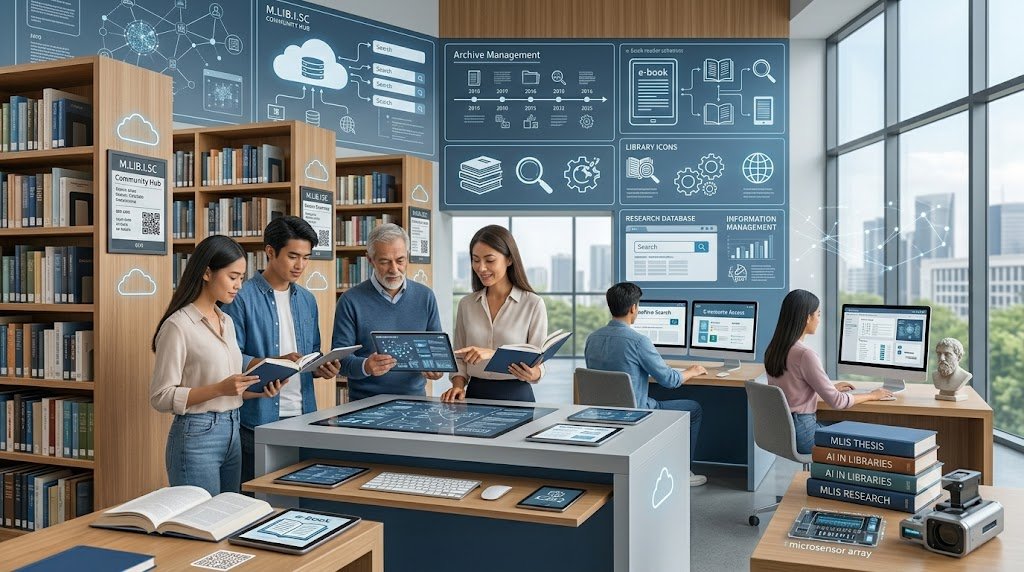
The Master of Library and Information Science (M.Lib.I.Sc) is a postgraduate professional program designed for students who want to develop advanced expertise in library administration, digital information management, research support, and knowledge organization. The program combines traditional library science with modern information technology to prepare professionals for leadership roles in libraries and information centers.
Students gain practical experience in digital library systems, library automation, information retrieval, research databases, knowledge management, and archival practices. The curriculum also emphasizes research, innovation, and the use of emerging technologies in library and information services.
Whether you aspire to become a university librarian, digital information specialist, knowledge manager, research librarian, or information consultant, an M.Lib.I.Sc degree provides the professional knowledge and technical skills required for long-term career success.
M.Lib.I.Sc Course Highlights
| Feature | Details |
|---|---|
| Course Name | Master of Library and Information Science (M.Lib.I.Sc) |
| Course Level | Postgraduate Professional Program |
| Duration | 1 Year (May vary as per university regulations) |
| Eligibility | B.Lib.I.Sc or Equivalent Degree from a Recognized University |
| Learning Mode | Regular / Distance / Online (Depending on University) |
| Admission Process | Merit-Based / Entrance Exam / University Guidelines |
| Career Opportunities | Librarian, Digital Librarian, Information Officer, Knowledge Manager, Research Librarian |
| Higher Education | Ph.D., Research Programs, Information Management Certifications |
About the M.Lib.I.Sc Course
The Master of Library and Information Science program focuses on advanced concepts of library management, digital information systems, research methodologies, and information services. The curriculum prepares students to manage modern libraries, digital repositories, institutional archives, and information centers efficiently.
Students learn about library automation software, electronic resource management, digital preservation, metadata standards, information retrieval systems, and research support services. Practical training, research projects, and internships help them develop professional expertise for today’s technology-driven library environment.
Why Choose an M.Lib.I.Sc Degree?
A Master of Library and Information Science offers numerous academic and professional advantages.
- Advanced expertise in library and information management
- Strong demand for digital information professionals
- Opportunities in educational and research institutions
- Exposure to modern library technologies
- Leadership opportunities in library administration
- Foundation for research and higher education
- Career stability and professional growth
- Scope to work with digital knowledge systems
Skills You Will Develop
During the M.Lib.I.Sc program, students develop valuable professional skills, including:
- Digital Library Management
- Information Retrieval
- Library Automation
- Research Methodology
- Knowledge Organization
- Database Management
- Information Analysis
- Metadata Management
- Academic Research Support
- Leadership & Administration
- Technical Communication
- Project Management
M.Lib.I.Sc Course Eligibility
Candidates who have completed a Bachelor of Library and Information Science (B.Lib.I.Sc) or an equivalent qualification from a recognized university are generally eligible to apply for the M.Lib.I.Sc program.
Eligibility criteria may vary according to university admission policies.
Course Duration
The Master of Library and Information Science program is generally completed in 1 year, including classroom instruction, practical training, research projects, seminars, and internships, depending on the university curriculum.
Subjects Covered in M.Lib.I.Sc
The curriculum may vary by university but generally includes:
- Advanced Library Management
- Information Retrieval Systems
- Digital Libraries
- Library Automation
- Knowledge Organization
- Research Methodology
- Information Technology Applications
- Electronic Resource Management
- Information Services
- Library Networking
- Metadata Standards
- Digital Preservation
- Information Literacy
- Dissertation / Project Work
Career Opportunities After M.Lib.I.Sc
An M.Lib.I.Sc degree opens doors to advanced careers in libraries, research, education, and information management.
Popular Job Roles
- University Librarian
- Digital Librarian
- Information Officer
- Knowledge Manager
- Research Librarian
- Documentation Officer
- Information Scientist
- Library Consultant
- Archive Manager
- Metadata Specialist
- Records Manager
- Information Analyst
- Academic Information Specialist
Industries Hiring M.Lib.I.Sc Graduates
Graduates can work in:
- Universities & Colleges
- Government Libraries
- Public Libraries
- Research Institutions
- Digital Libraries
- Corporate Organizations
- Museums & Archives
- Publishing Companies
- Educational Institutions
- Information Centers
- Government Departments
- Knowledge Management Firms
Higher Education After M.Lib.I.Sc
Students can continue their education through:
- Ph.D. in Library & Information Science
- Research Fellowships
- Information Management Certifications
- Digital Library Management Programs
- Knowledge Management Courses
- Academic Research Programs
Benefits of Studying M.Lib.I.Sc
The M.Lib.I.Sc program combines advanced library science with digital technologies, helping students develop expertise in information management, research support, digital archives, and knowledge services. Graduates are prepared to lead modern libraries and information centers while supporting academic, research, and organizational knowledge needs.
Why Choose Our Admission Guidance?
Our admission experts help students choose the right university and specialization based on their academic background and career goals.
Our Support Includes
- Free Career Counseling
- University Selection Guidance
- Admission Assistance
- Documentation Support
- Application Process Help
- Fee Structure Guidance
- Scholarship Information
- Dedicated Student Support